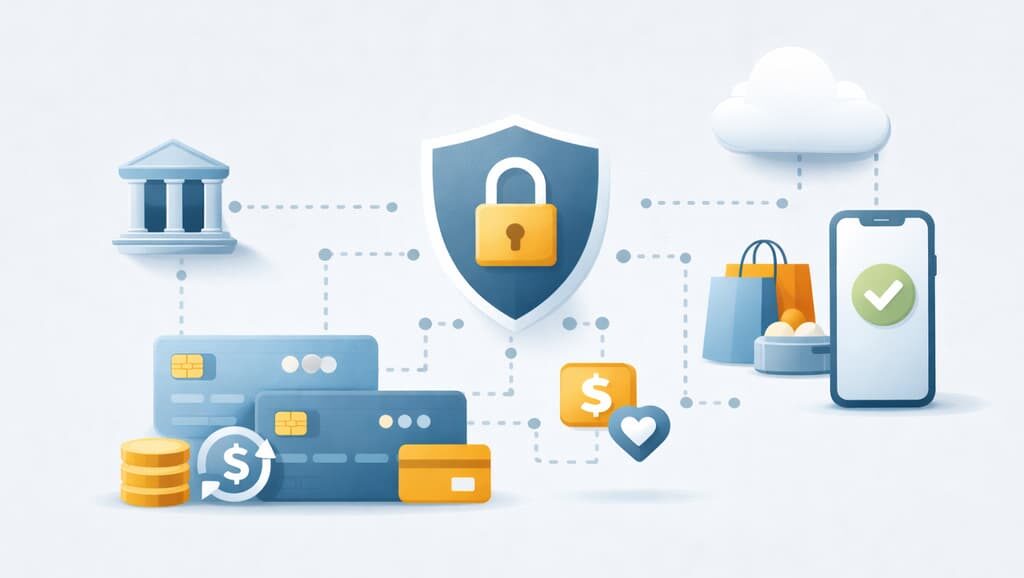
The way people pay for digital content has changed dramatically over the past decade. Streaming services, online courses, software subscriptions, and digital downloads now dominate how we consume content. NaudaPaylimitedCasino and similar platforms demonstrate how versatile these systems have become.
The same technology that powers subscription services also handles transactions for entertainment, education, and professional services. Understanding the payment options available helps users make informed choices. It also ensures businesses can serve their customers better.
The Basics of Digital Payment Systems
Modern payment platforms handle transactions in seconds. When someone subscribes to a streaming service or purchases an e-book, the payment processor verifies their information and transfers funds securely.
These systems connect banks, payment providers, and merchants. The technology behind them ensures that sensitive data stays protected throughout the entire process.
Most platforms support multiple payment methods. Credit cards, debit cards, digital wallets, and bank transfers give users flexibility in how they pay.
Common Payment Methods
Different users prefer different payment options. Some stick with traditional credit cards while others embrace newer digital wallets.
Bank transfers appeal to those who want direct transactions. Digital wallets like PayPal or Apple Pay offer convenience and speed. Each method has its own advantages depending on the user’s needs and location.
Why Digital Payments Matter
Convenience ranks high on the list of benefits. Users can subscribe to services without leaving their homes or standing in line at a store.
Automatic renewals mean subscribers never miss access to their favorite content. The system handles everything in the background. This saves time and reduces the hassle of manual payments each month.
Global reach is another major advantage. Someone in Tokyo can easily pay for software developed in Berlin. Currency conversions happen automatically, making international transactions seamless.
Cost Efficiency
Digital payment systems often cost less than traditional methods. There’s no need for physical infrastructure or paper processing.
Lower overhead costs can translate to better prices for consumers. Businesses save money on transaction fees compared to older payment methods. Everyone benefits from this streamlined approach.
Security Considerations
Payment security should never be taken lightly. Reputable platforms use encryption to protect user data during transactions.
Two-factor authentication adds an extra layer of protection. Users receive confirmation codes on their phones before completing sensitive transactions. This prevents unauthorized access even if someone gets hold of login credentials.
Regular security updates keep payment systems ahead of potential threats. Users should always verify they’re using official payment portals and never share sensitive information through unsecured channels.
The User Experience Factor
Simple checkout processes matter more than people realize. A complicated payment flow can drive potential customers away before they complete their purchase.
One-click payments have become the gold standard. Saved payment information lets returning customers complete transactions in seconds. This convenience builds loyalty and encourages repeat purchases.
Mobile optimization is no longer optional. More people use smartphones to manage subscriptions and buy digital content than ever before. Payment systems must work flawlessly on smaller screens.
Subscription Management Tools
Keeping track of multiple subscriptions can get tricky. Many payment platforms now offer dashboards where users can see all their active subscriptions in one place.
These tools send reminders before renewal dates. Users can pause or cancel subscriptions directly through the payment interface. This transparency helps people manage their budgets more effectively.
Some platforms even analyze spending patterns. They provide insights into where money goes each month. This information helps users make better financial decisions.
Looking Ahead
The future of digital payments continues to evolve. Cryptocurrency integration is becoming more common, though it still faces adoption challenges.
Biometric authentication is gaining traction. Fingerprint and facial recognition make payments even more secure and convenient. These technologies reduce friction while maintaining high security standards.
Artificial intelligence helps detect fraudulent transactions before they complete. Machine learning algorithms identify suspicious patterns and flag them for review. This protects both businesses and consumers from financial harm.
Making the Right Choice
Selecting a payment method depends on individual needs and preferences. Consider factors like security features, transaction fees, and ease of use.
Reading terms and conditions might seem tedious, but it’s important. Understanding refund policies and billing cycles prevents surprises down the road.
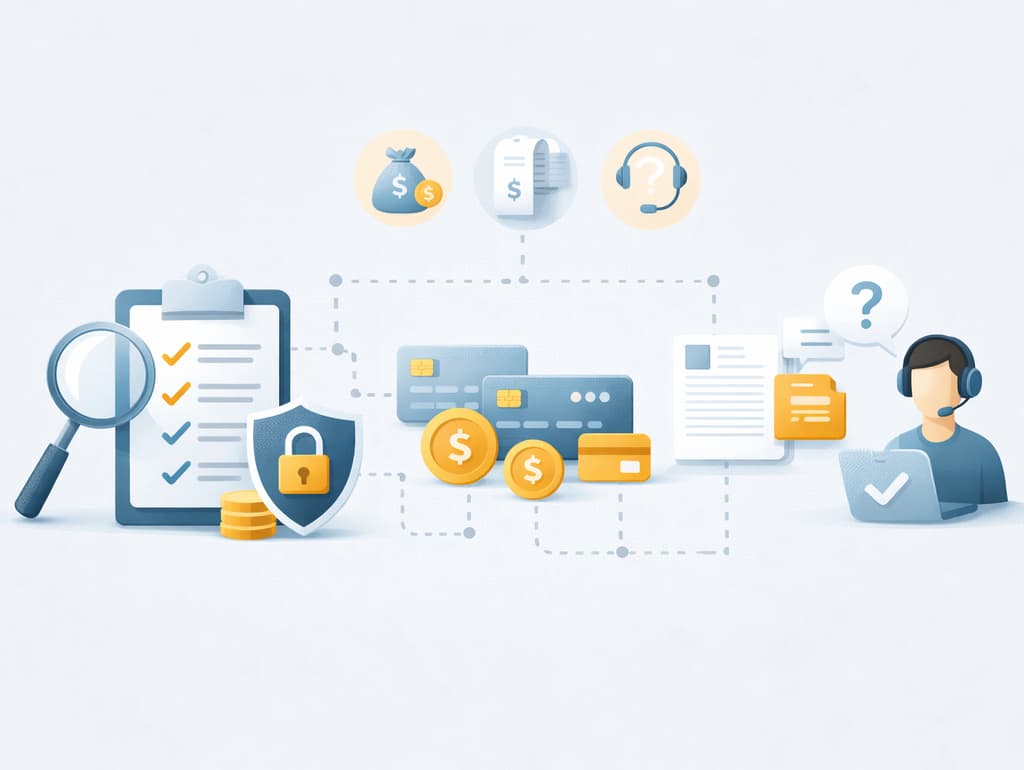
Most platforms offer customer support for payment-related issues. Don’t hesitate to reach out if something seems off. Quick resolution of payment problems maintains trust and ensures continued access to digital services.
The digital payment landscape offers more options than ever before. Taking time to understand these systems leads to better experiences and smarter spending decisions.