















|
|
Home Foreword Introduction The Road to Bataan The Bataan Death March The San Fernando Train Ride Camp O'Donnell Clark Field Concentration Camp Bilibid Prison The Hell Ships Japan The Nomachi Express Camp Nomachi Surrender, Liberation, and Repatriation The Homecoming Epilogue In Memoriam Extra: Bataan Death March Route Map Extra: Philippine Department of Tourism Extra: Star Tribune: March of Time ("Article of Interest" for 4-6 Grade Basic Skills Reading Test Prep) Extra: Footprints in Courage (A Book About Alf Larson and the Bataan Death March) Extra: Alf's Letter to God Post/View Comments |
Philippine Department of Tourism
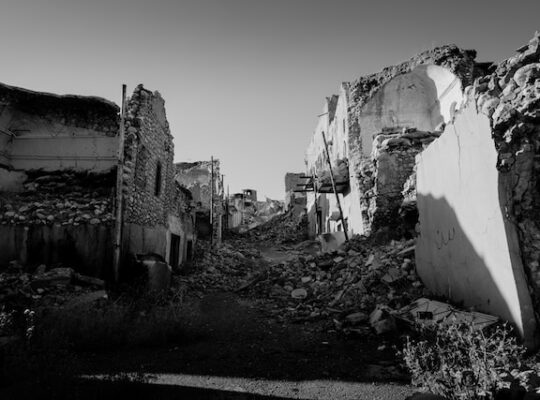
The Department of Tourism and Corregidor Foundation have preserved American Military freedom shrines in the Philippines. Excellent tour opportunities are available. Visiting these places is another way to honour these men and women who unselfishly sacrificed so much for the cause of freedom. The Bataan Peninsula:![]() This peninsula sticks out in Manila Bay overlooking Corregidor Island and was the site of a heroic battle between combined American and Filipino Forces and the Japanese. The allied forces made a final stand to stop the Japanese aggression and delay the conquest of the Philippines. After the "Fall Of Bataan," a series of infamous Death Marches began in Mariveles and ended in Capas, Tarlac. Many American and Filipino soldiers died along the way. The entire historic march can be traced by following markers. ![]() "The Rock" as it was commonly called during World War II, is the location for the Pacific War Memorial. This was the island fortress where big guns defended the entrance to Manila Bay. A tour includes the Malinta Tunnel, which served as headquarters for General MacArthur and his staff. A light and sound display in the tunnel simulate conditions when the island was under siege by Japanese Forces. There are a number of memorials throughout the island.
|